Courses Offered
Course 1-Field Safety and Wilderness Risk Management: 1-2-day course (8-16 hours), depending on needs. Lecture and scenario-based training. Additional days, specialized courses and scenarios can be developed upon request. Designed for professionals that work in field settings and outdoor recreationists.
- Recognize common field hazards and implement effective risk management strategies.
- Improve planning with digital topographic maps, GPS, and satellite communication devices, and assess landscape access.
- Plan for changing weather (thunderstorms, snow, rain and other inclement weather), clothing selection (your layers as a first line of defense), environmental hazards like wildland fires, toxic plants and animals, wildlife encounters, infectious diseases, and other risks before they become emergencies.
- Assess and manage common field injuries, including heat-related illness, musculoskeletal injuries, bleeding, and wound care using limited equipment. This hits some of the highlights of a wilderness first aid course but a full dedicated wilderness and remote first aid course is required for official certification through American Red Cross (see below for that separate offering).
- Develop safe campsite practices, including fire safety, avoid carbon monoxide poisoning, lookout for hazards near camp, water purification, and cooking/food storage.
- Improve knowledge of common field tool use and safety.
- Understand the human factors that influence safety during solo and group fieldwork.
- Plan for possible evacuations, safety routes, and trigger points (when to turn back).
- Apply their knowledge through realistic, hands-on field scenarios.
- Customized topics and extra scenario training days can be added upon request: Examples Include 1) wildland fire preparedness, 2) international field work, 3) desert training, and 4) mountain training.
Course 2-Wilderness and Remote First Aid: 2-day course (16 hours total). Scenario-based training, full CPR/First Aid/AED training. Basic wilderness safety and accident prevention covering all wilderness topics. Improvised care for bleeding, burns, fractures and bone breaks, snakebite treatment, hypothermia, hyperthermia, venomous and poisonous creatures, and more. Evacuation decisions and scenario-based prolonged field care decisions. Great course for anyone that does outdoor recreation, travels, or spends time in rural areas.
Custom courses and scenario-based training can be developed upon request (See below for instructor background and contact info).
Contact for pricing on all courses. Course length/price varies depending on group size and location. Discounted group rates available.
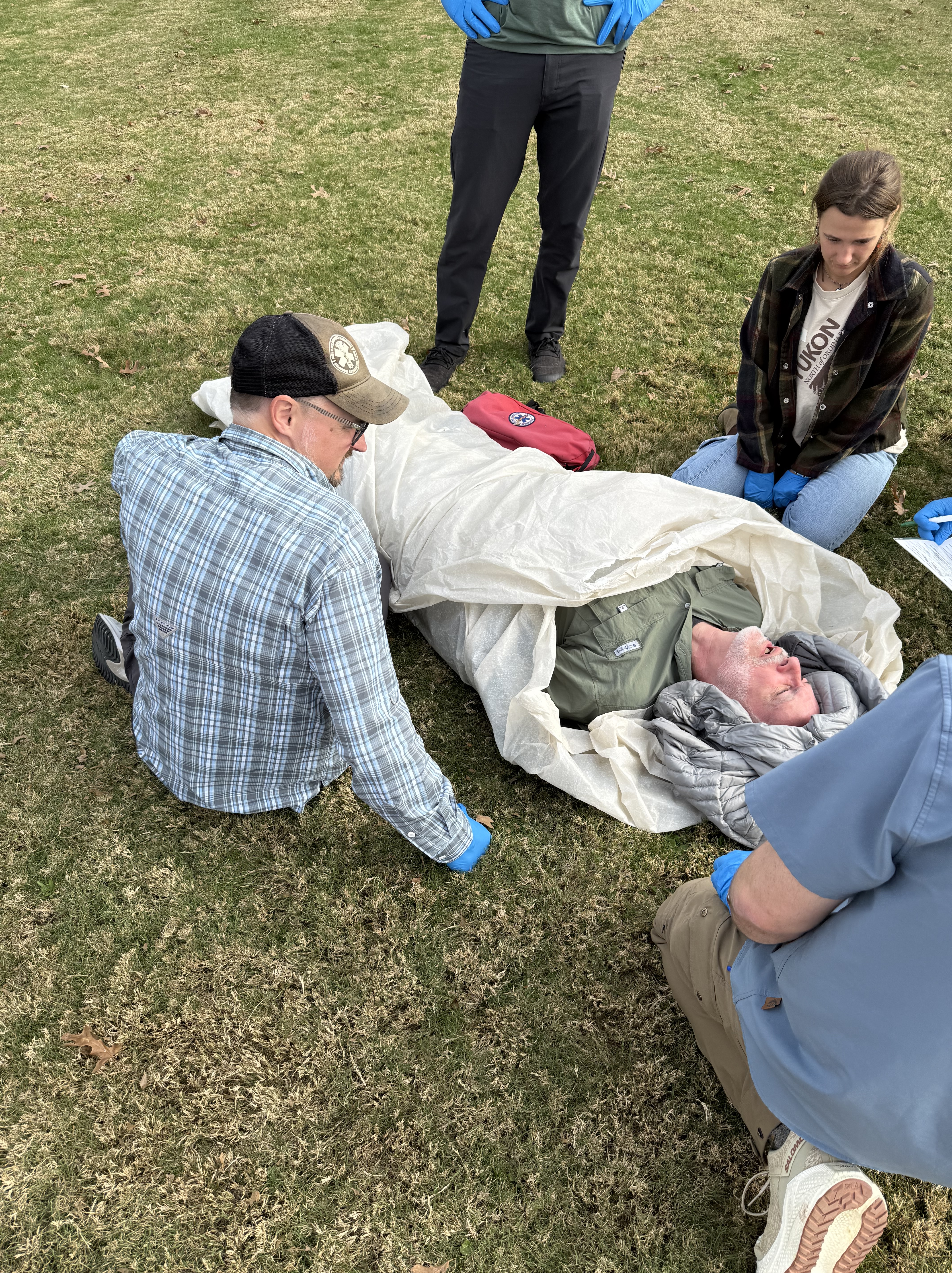
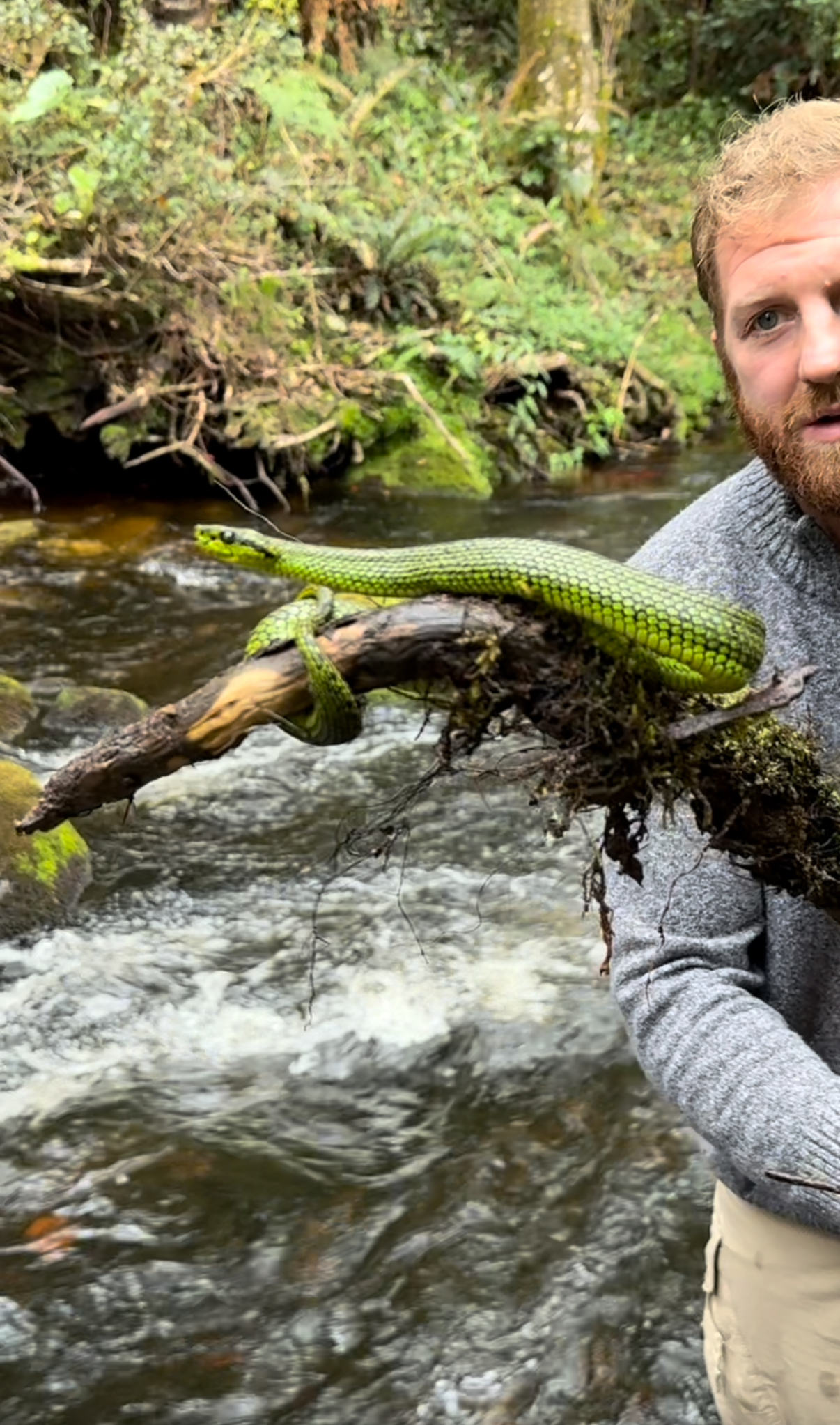
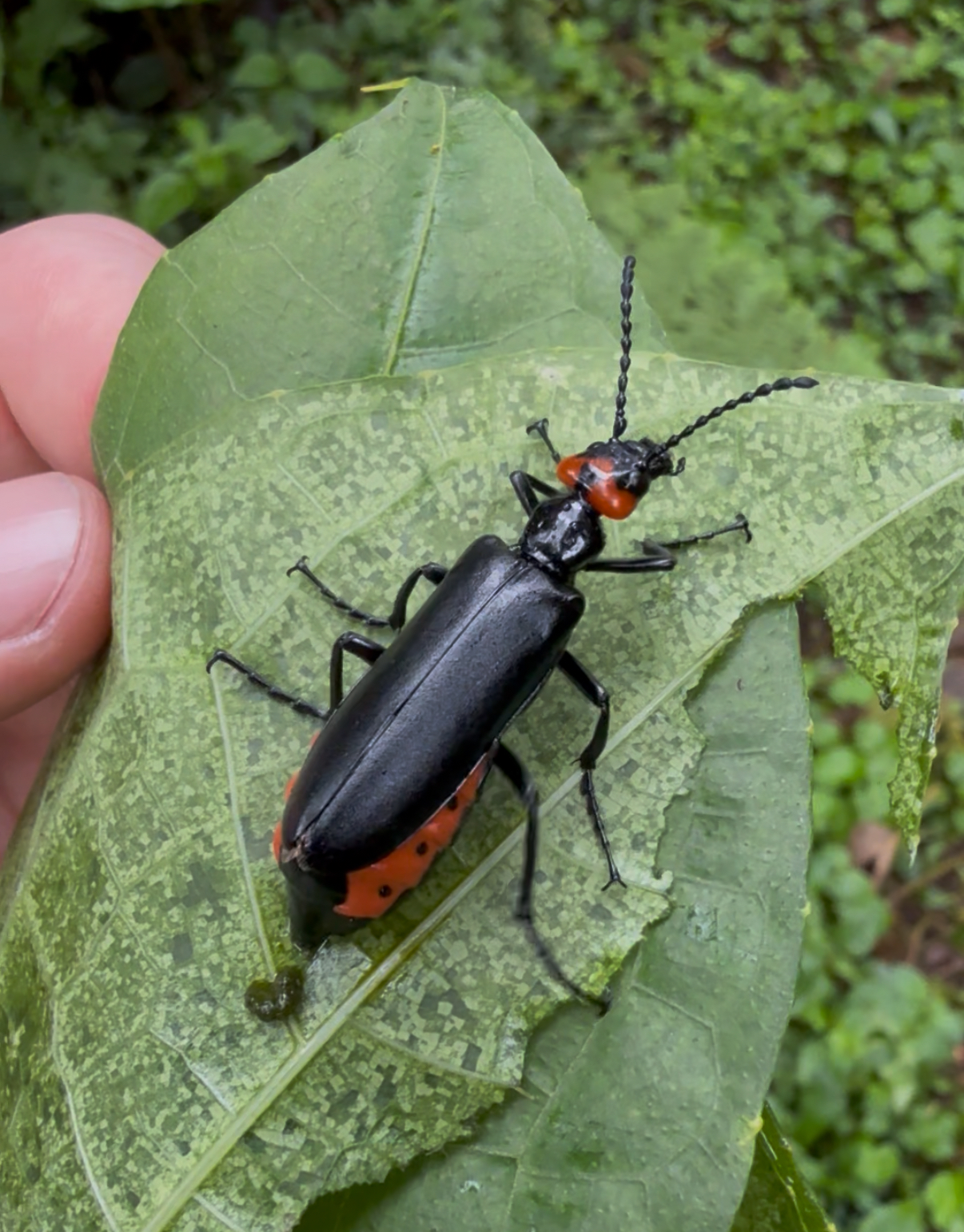
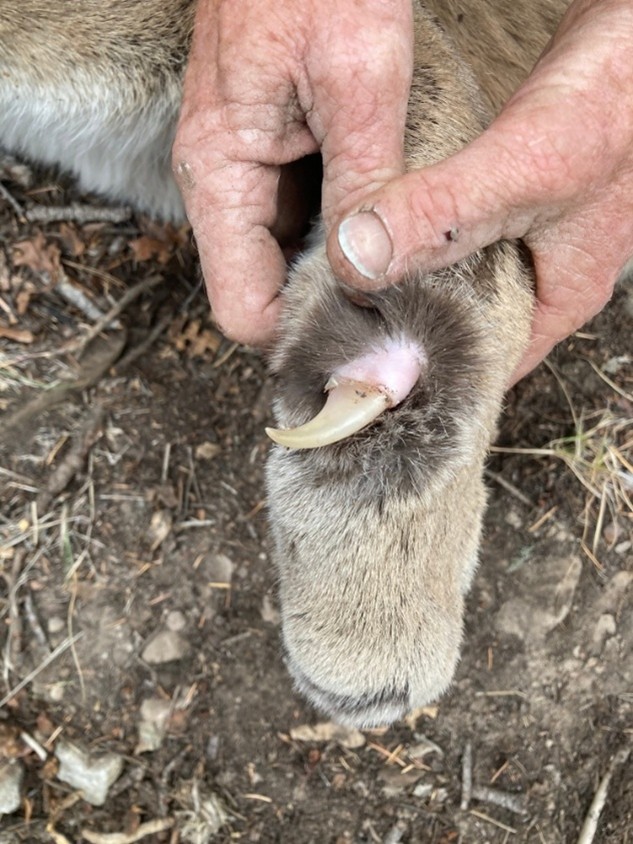
Example Wilderness Topics Covered
The topics and depth covered will depend on course selected.
Safety, Risk Mitigation and Accident Prevention
Heat injuries
Bleeding control and shock management
Cold weather injuries
Poisonous and venomous creatures
Large predator geography and attack risk
Breaks and sprains
Burn Injuries
Lightning and other inclement weather conditions
Patient assessment (primary & secondary)
Airway and breathing management
Wilderness infectious disease risk
Medical issues and anaphylactic shock
Plus more additional material
For outdoor recreationists, travelers, field science professionals, ranchers, and anyone wanting to be prepared in wild or rural areas.
About the Instructor
Dr. Kyle J. Shaney (PhD, EMT, WEMT) is a wildlife scientist with more than 15 years of professional experience working on wildlife research projects in remote wilderness settings and leads science projects on mountain lions in remote New Mexico and crocodile ecology in remote parts of Indonesia, among other projects. He is a licensed EMT in the state of Texas. He is also licensed nationally through the national EMT registry. Additionally, he is a lifelong outdoorsman with experience hunting, fishing, backpacking, camping, surfing, snowboarding, and paddling. His professional work and recreational activities have taken him to the most remote parts of the US, including Alaska, as well as Canada, every state in Mexico, Costa Rica, El Salvador, Colombia, Bolivia and Indonesia. Dr. Shaney is also a recognized National Geographic Explorer and worked as a wildland firefighter on engine and hotshot crews in the American West for two seasons in 2013 and 2018.
Contact: Kyle Shaney, kjshaney@gmail.com, (775) 351-5277.
Based in San Antonio, Texas with ability to travel

